
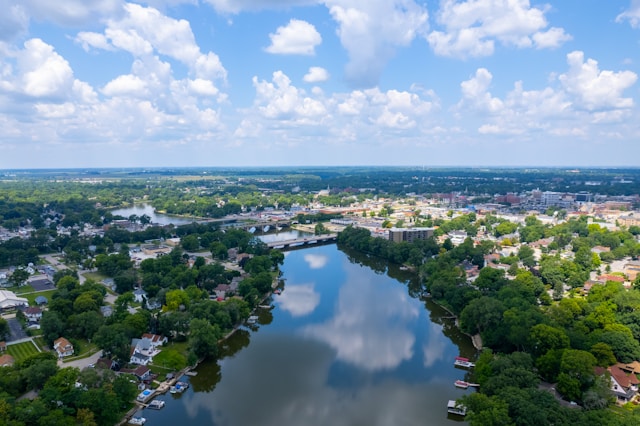
As the urgency of addressing climate change intensifies, Illinois is adapting its environmental policies to meet new challenges. The state has seen a significant shift in its approach to sustainability, focusing on reducing carbon emissions, improving energy efficiency, and fostering a green economy. These changes are part of a broader effort to align with national and global environmental goals, but they also present unique opportunities and challenges for businesses, local governments, and residents.
With the state’s ambitious environmental goals set for the coming decades, Illinois is working to position itself as a leader in the fight against climate change. It’s crucial for business owners, policymakers, and residents to understand how these changes will affect their daily lives and future prospects.
The State’s Green Energy Commitment
A cornerstone of Illinois’ evolving environmental policies is the state’s commitment to transitioning to renewable energy. In 2021, Illinois passed the Clean Energy Jobs Act (CEJA), which set a bold target of reaching 100% clean energy by 2050. This legislation is designed to significantly reduce greenhouse gas emissions, promote renewable energy development, and ensure that the state’s power grid becomes more sustainable in the long term.
Under CEJA, Illinois is set to phase-out its coal plants, shift to wind and solar power, and invest heavily in energy storage technologies. The state’s renewable energy capacity has already begun to grow, with new wind and solar farms being constructed across the state.
Illinois is also encouraging the electrification of transportation, aiming to have 1 million electric vehicles (EVs) on the road by 2030. To support this goal, the state is increasing the number of charging stations and offering incentives for businesses and residents to adopt EV technology.
Expanding Recycling and Waste Reduction Efforts
Another key area of Illinois’ environmental policy shift is waste management. With growing concerns about landfills and the environmental impact of single-use plastics, the state has introduced new measures to promote recycling and waste reduction. Several cities have already implemented policies requiring businesses and residents to recycle more effectively.
The state is also investing in composting programs and reducing food waste through educational campaigns and partnerships with local food banks. A major component of this initiative is the push for businesses to reduce packaging waste by adopting more sustainable materials.
Key Waste Reduction Initiatives:
- Bans on single-use plastics in certain municipalities
- Expanded recycling programs for businesses and households
- Partnerships with local communities to reduce food waste
- Support for businesses adopting sustainable packaging solutions
These efforts reflect Illinois’ growing commitment to environmental responsibility, both in its urban centers and rural areas.
Addressing Water Quality and Conservation
Illinois is home to several major rivers, lakes, and aquifers, making water conservation and quality a top priority. Climate change has already started to affect water availability, with droughts becoming more common in certain regions. In response, Illinois has introduced new policies aimed at protecting water resources and improving water infrastructure.
One significant initiative is the Illinois Clean Water Initiative, which is designed to reduce pollution in the rivers and lakes. The initiative focuses on improving water treatment plants, upgrading stormwater management systems, and addressing agricultural runoff.
Additionally, Illinois is investing in water conservation programs that encourage residents and businesses to use water more efficiently. These programs include rebates for water-saving appliances, initiatives to reduce water usage in agriculture, and efforts to restore wetlands that help maintain healthy water systems.
The Role of Environmental Justice
As Illinois moves toward a greener future, environmental justice is becoming an increasingly important aspect of the state’s policies. Environmental justice refers to the fair distribution of environmental benefits and burdens across all communities, particularly marginalized and low-income groups who are often the most vulnerable to environmental degradation.
Illinois has begun to prioritize environmental justice in its policy-making, ensuring that disadvantaged communities receive the benefits of clean energy, clean air, and improved public health. This includes providing resources for communities that are dealing with the health impacts of pollution, such as respiratory issues related to industrial emissions.
The Future of Illinois’ Environmental Policies
Looking ahead, Illinois is well-positioned to continue its progress toward a sustainable future. However, challenges remain. The state will need to navigate political and economic hurdles as it implements its green energy transition and waste reduction policies. Businesses may face higher operational costs in the short term, but they can also benefit from the incentives and tax credits offered by the state.
At the same time, the growing green economy presents opportunities for innovation and investment. Illinois’ focus on renewable energy, electric vehicles, and sustainable business practices is helping to shape a more sustainable future while creating new jobs and industries.
Conclusion
Illinois is embracing transformative environmental policies that will shape its future. From green energy initiatives to waste reduction and water conservation, the state is moving toward a sustainable future, offering opportunities for growth and innovation.